


.svg)


Do You Pay a Security Deposit Before Signing an Apartment Lease?

Moving into a new apartment comes with a long list of upfront costs. Between the first month’s rent, application fees, and deposits, it is normal to wonder what gets paid when.
One question you might be asking is: do you pay the security deposit before signing an apartment lease?
The short answer is no. In most cases, you pay the security deposit at the lease signing or immediately after signing the apartment lease agreement. You should never pay a security deposit before reviewing and agreeing to a written lease.
Here is what to expect, how much you will likely pay, and how to protect yourself during the process.
Do You Pay a Security Deposit Before Signing a Lease?
In most rental situations, you do not pay the security deposit before signing the lease. The standard process is to review the apartment lease agreement first, confirm the deposit amount and terms in writing, and then submit payment at the time of signing or immediately after the lease is executed.
The lease is what legally defines the security deposit: how much is required, what it can be used for, how it will be held, and when it must be returned. Without a signed lease, there is no formal agreement governing your money.
In practice, the process usually looks like this:
- You review and sign the lease.
- The landlord countersigns or finalizes the agreement.
- You provide the security deposit, often along with the first month’s rent.
- The lease becomes active once payment is received.
Most renters pay the deposit during the signing appointment, whether in person or electronically. Payment methods may include a cashier’s check, money order, or secure online portal. In many cases, keys are not released until funds are received or cleared.
In digital leasing workflows, you may sign first and then submit payment through a portal within a short window. This is normal as long as the lease is fully executed. The key point is simple: you should have signed documentation confirming the deposit amount, refund terms, and return timeline before transferring any money.
There are rare cases where a landlord may collect a small holding deposit before the lease is drafted, but that is not the same as a full security deposit. A full security deposit should always be tied to a written lease.
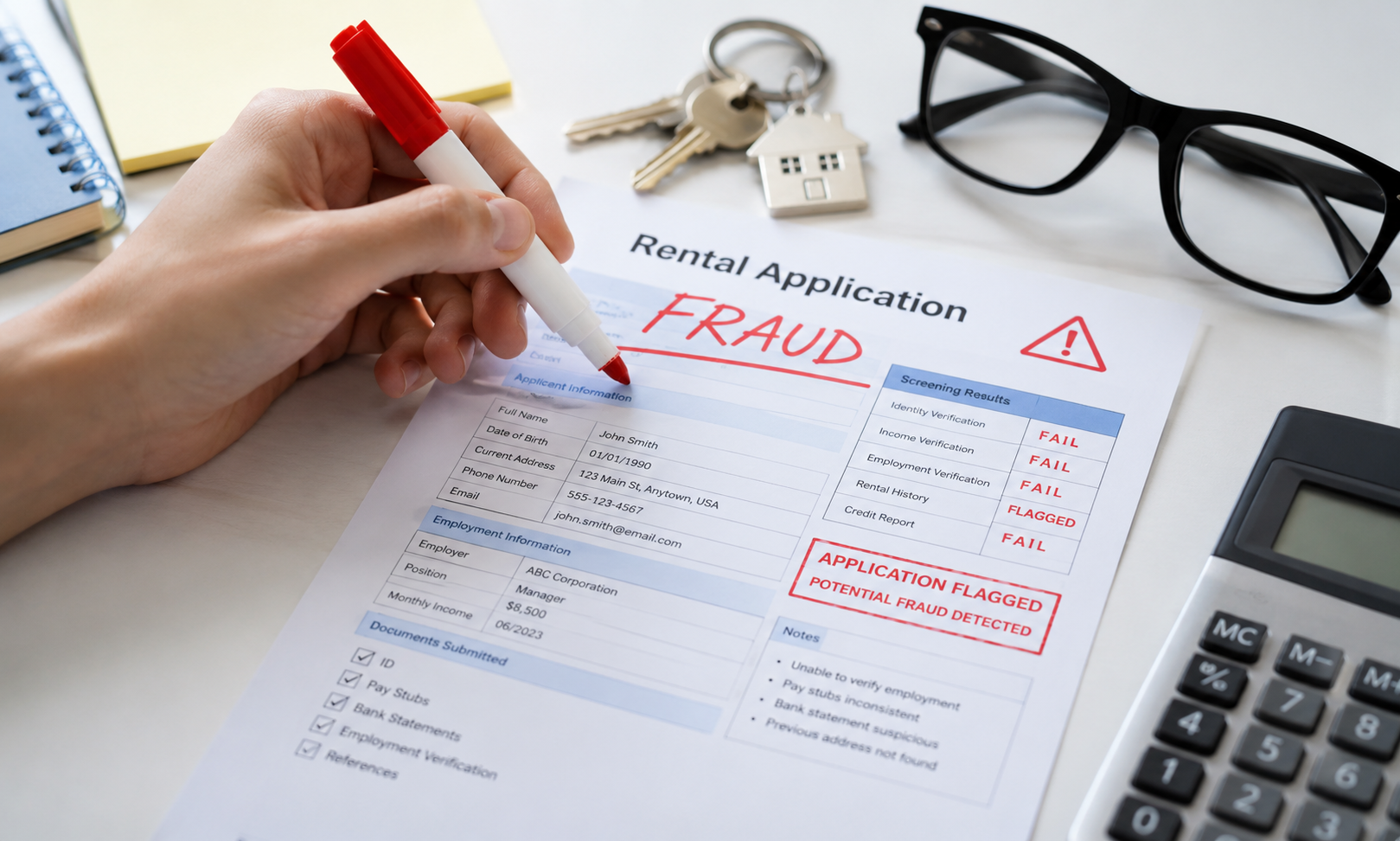
If someone asks you to send a complete security deposit before showing you the lease terms, before confirming your approval, or without providing formal documentation, that is a strong signal to slow down and ask questions.
How Much Is a Typical Security Deposit?
.avif)
In most markets, a security deposit equals one month’s rent. For example, if your rent is $1,500 per month, you can expect a $1,500 deposit.
However, the amount can vary based on:
- Credit history
- Rental history
- Income verification
- Local landlord-tenant laws
Some states limit how much a landlord can charge. Others do not have a strict cap. It is important to check your state’s landlord-tenant laws to understand what is allowed.
Security Deposit vs. First Month’s Rent
These are separate charges, even though they are often paid together.
- First month’s rent covers your first month of occupancy.
- The security deposit protects the landlord against unpaid rent or damage beyond normal wear and tear.
Because they serve different purposes, you should see them listed separately in your apartment lease agreement.
What Is the Difference Between a Holding Deposit and a Security Deposit?
Renters often confuse these two terms.
A holding deposit is typically paid after your application is approved to temporarily take the unit off the market. It may later be applied toward your security deposit or first month’s rent.
A security deposit, on the other hand, is paid once you sign the lease. It is governed by the lease terms and state law, and it is potentially refundable at the end of your tenancy.
Application fees and rental application fees are also separate from both of these payments.
Red Flags to Watch For Before Paying a Security Deposit
Unfortunately, rental scams are common. Being cautious can protect your money.
Be wary if:
- You are asked to wire money or send gift cards.
- There is no written lease provided.
- The landlord refuses to show the unit.
- You are pressured to pay immediately to “secure” the apartment.
- The listing appears copied from another site.
You should always review a formal lease agreement before sending a security deposit. If something feels rushed or unclear, pause and ask questions.
Steps to Take Before You Pay and Sign the Lease
Review the Lease Carefully
Before signing, confirm:
- The exact security deposit amount
- Conditions under which deductions may occur
- The security deposit return deadline
- Cleaning and maintenance clauses
Make sure you understand how the security deposit refund process works.
Conduct a Walk-Through Inspection
The condition of the apartment at move-in plays a major role in whether you receive your full deposit back.
Complete a move-in inspection checklist. Document any scratches, dents, stains, or appliance issues. Take clear, timestamped photos and keep copies for your records. Ideally, both you and the landlord sign the inspection form.
This protects you from being charged for damage that existed before you moved in.
Confirm Where the Deposit Is Held
Some states require landlords to hold security deposits in separate accounts. In certain cases, deposits must be kept in interest-bearing accounts, and tenants must be notified of where the funds are held.
Understanding these rules helps ensure compliance and protects your rights.
What If a Landlord Asks for a Higher Security Deposit?
Sometimes a landlord may request a higher security deposit due to concerns about the rental approval process.
Common reasons include:
- Limited or poor credit history
- Minimal rental history
- Income that does not meet standard requirements
In some markets, landlords may ask for multiple months of rent upfront. If the concern is qualification rather than your ability to consistently pay rent, you may want to explore alternatives such as a rent guarantor.
A rent guarantor can sometimes help reduce the need for a significantly higher deposit by providing additional assurance to the landlord.
How Do You Get Your Security Deposit Back?
A security deposit is typically refundable if you follow the lease terms.
Security Deposit Return Timeline
The deadline for returning a deposit varies by state. Some states require it within 14 days. Others allow 30 to 60 days. In many cases, the landlord must provide an itemized list of deductions.
Review your lease and local landlord-tenant laws to understand the timeline that applies to you.
Common Reasons for Deductions
Landlords may deduct from your deposit for:
- Unpaid rent
- Damage beyond normal wear and tear
- Excessive cleaning
- Lease violations
Normal wear and tear generally includes minor scuffs, small nail holes, or light carpet wear from everyday use. Significant damage, such as broken fixtures or large holes in walls, may result in deductions.
Final Thoughts
.avif)
You generally pay the security deposit at the time you sign the apartment lease agreement, not before. Never send a deposit without reviewing a written lease, and always document the condition of the unit at move-in.
Understanding the process, your rights, and your responsibilities can make the rental experience far less stressful. When in doubt, ask questions, review the lease carefully, and take steps to protect your deposit from day one.
As part of planning your finances for moving into a new apartment, it's a great idea to also understand your rent-to-income ratio, which we wrote about here.
.avif)
.avif)
.png)
.png)


Let’s boost your occupancy rates


