


.svg)


Renter Experience for Multifamily Operators: Strategies That Reduce Turnover and Boost NOI

The renter experience multifamily operators deliver is no longer a soft amenity. It is a direct input to NOI.
When residents leave, operators absorb turnover costs averaging $4,000 per unit, according to data from Zego, and that figure compounds quickly across even a mid-sized portfolio. Yet many of those departures trace back to service gaps that begin before or at move-in, not at lease renewal time.
This guide covers the leasing experience, early-tenure service fundamentals, and the technology stack that makes both scalable.
Why Renter Expectations Have Shifted
Renters are not comparing your community to the property down the street. They are comparing it to every consumer brand they interact with daily, including Amazon, DoorDash, and Airbnb. According to SmartRent, speed, control, and personalization have become default expectations across every part of modern life, and residents expect nothing less from their homes.
Properties that still rely on fragmented systems and manual processes are serving a digital-native audience with analog tools. The gap between what those renters expect and what most properties deliver is where leasing conversion falters and early-tenure churn begins. Closing it is an operational problem, not a marketing one.
The Gap Between What Operators Think Renters Want and What They Actually Want
There is a gap between what operators assume drives resident satisfaction and what residents themselves report as decisive. That gap costs operators leases.
Property managers tend to rank poor maintenance service 12th among reasons residents choose not to renew. Residents rank it second, only after cost, according to the 2025 Resident Experience Management Report by Zego. That misalignment shapes how operators allocate attention and budget during exactly the window when first impressions are being formed. Prospects evaluate a community's maintenance reputation before they tour it. Residents evaluate it again in the first weeks after they move in. Both judgments affect whether the leasing funnel converts and whether early-tenure churn occurs.
What Turnover Actually Costs
When a resident leaves, the average per-unit turnover cost at approximately $4,000, covering unit turn expenses, marketing spend, and revenue lost during the vacancy window. Many of those departures trace back to service failures that happened early in the tenancy, or to qualification decisions made before move-in that placed residents in a financially precarious position from day one.
This post addresses the leasing and early-tenure side of that equation.
The Leasing Experience as a Retention Investment
Retention does not begin at renewal. It begins before a prospect signs the first lease. The leasing experience is the first chapter of the renter relationship, and operators who treat it as a mere transaction miss an early opportunity to establish trust.
The NMHC and Grace Hill 2024 Renter Preferences Survey found that 86% of renters prefer digital or self-service options when interacting with their community. Traditional leasing workflows built around agent-led tours and manual scheduling are misaligned with how most prospects want to engage.
Self-Guided Tours and 24/7 AI Leasing Support
Self-guided tours allow prospects to view units on their own schedule without requiring a leasing agent to be present. This is not a cost-cutting measure. It is a direct response to how modern renters search. Operators who accommodate that preference convert more tours into leases.
AI-powered virtual leasing agents extend that accessibility around the clock. According to Informa Connect, virtual leasing agents can handle leads 24/7, respond to inquiries instantly, and streamline applications and lease signings, freeing leasing staff to focus on the high-value interactions that benefit from human judgment. Before Weidner Apartment Homes centralized its leasing operations and adopted AI tools, 50% of calls were missed and only half addressed prospects' questions. After the transition, missed calls dropped to 11%, according to Yardi.
Operational Strategies That Improve the Renter Experience
The following strategies address the leasing and early-tenure window: the period that begins when a prospect first engages with your community and ends approximately 60 days after move-in. This is where first impressions form, service expectations are set, and the probability of long-term retention is largely determined.
Prioritize Maintenance Response Speed
Maintenance speed affects leasing conversion before it affects renewal decisions. Prospects research community maintenance reputation through reviews before they tour. Residents who experience a slow first maintenance response in the early weeks of their tenancy form a negative service impression that is difficult to reverse, and often does not surface as a complaint until the non-renewal conversation.
Digital maintenance portals let residents submit requests, track progress, and receive automated status updates without calling the front office. Operators who meet residents where they are reduce friction and call volume simultaneously, while generating the responsiveness data that feeds into online reputation over time.
The First 60 Days: Leasing-to-Retention Bridge
The move-in window is the highest-leverage period in the renter relationship. Research shows that a resident who has a positive experience in the first 30 days is 90% more likely to renew their lease. Residents reporting a positive move-in process are twice as likely to renew at the end of their lease term.
The levers in this window are operational, not relational. Proactive communication from the day a lease is signed, digital move-in instructions, and concierge-style support during the transition period all reduce friction when stress is highest. Small, unexpected service gestures during this period such as helping a resident ship a package or sending a card for a life milestone, cost very little and convert new residents into community advocates.
Communication strategy beyond the first 60 days, including mid-lease check-ins, satisfaction surveys, and renewal outreach timing, is covered in our resident retention guide. The handoff from move-in to mid-lease is where the two posts connect.
Manage Your Online Reputation as an Operational Asset
Online reputation is not a marketing function. It is an occupancy driver. According to data from an Apartments.com study, 98% of apartment shoppers rely on ratings and reviews when searching for their next home. Another NMHC survey found that 79% of renters decided not to visit a community solely because its ratings and reviews were unfavorable.
Trust now lives in organic, user-generated content, not in polished operator-controlled messaging, according to the SatisFacts Online Renter Study. Financial transparency is part of this equation. Clear, upfront communication around fees, utilities, and rent structures is essential. Hidden costs are among the fastest ways to lose a prospect before they even tour, according to SatisFacts. Operators who lead with transparency convert at higher rates because trust is established before the first showing.
Technology That Scales the Renter Experience
The strategies above require a tech stack that automates routine interactions, consolidates data, and gives residents self-service options at the leasing and early-tenure stage. Fragmented platforms create friction at exactly the moments that most affect first impressions.
Smart Home and Access Technology
Connected thermostats, digital locks, and leak sensors managed from a single mobile app address two resident priorities simultaneously: convenience and security. Smart home technology gives residents control over their environment in ways that feel intuitive, while also reducing the maintenance burden on operations teams through proactive leak detection and remote diagnostics.
SmartRent's data shows that 71% of renters say high-speed internet and smart home features are must-haves, citing Zillow research. Prospects who tour a smart-equipped unit are evaluating a tangible experience differentiator, not just a feature checkbox.
Financial Flexibility Options
Flexible rent payment schedules and security deposit alternatives reduce move-in friction and widen the qualified applicant pool. The RealPage 2024 National Multifamily Renter Study found that 97% of renters said they would be more likely to renew their lease if interacting with their property manager were as easy as working with Amazon. Flexible financial options are one lever that directly closes that gap at the application stage.
Operators who require large lump-sum security deposits or inflexible payment timing filter out otherwise-qualified applicants before the leasing process begins.
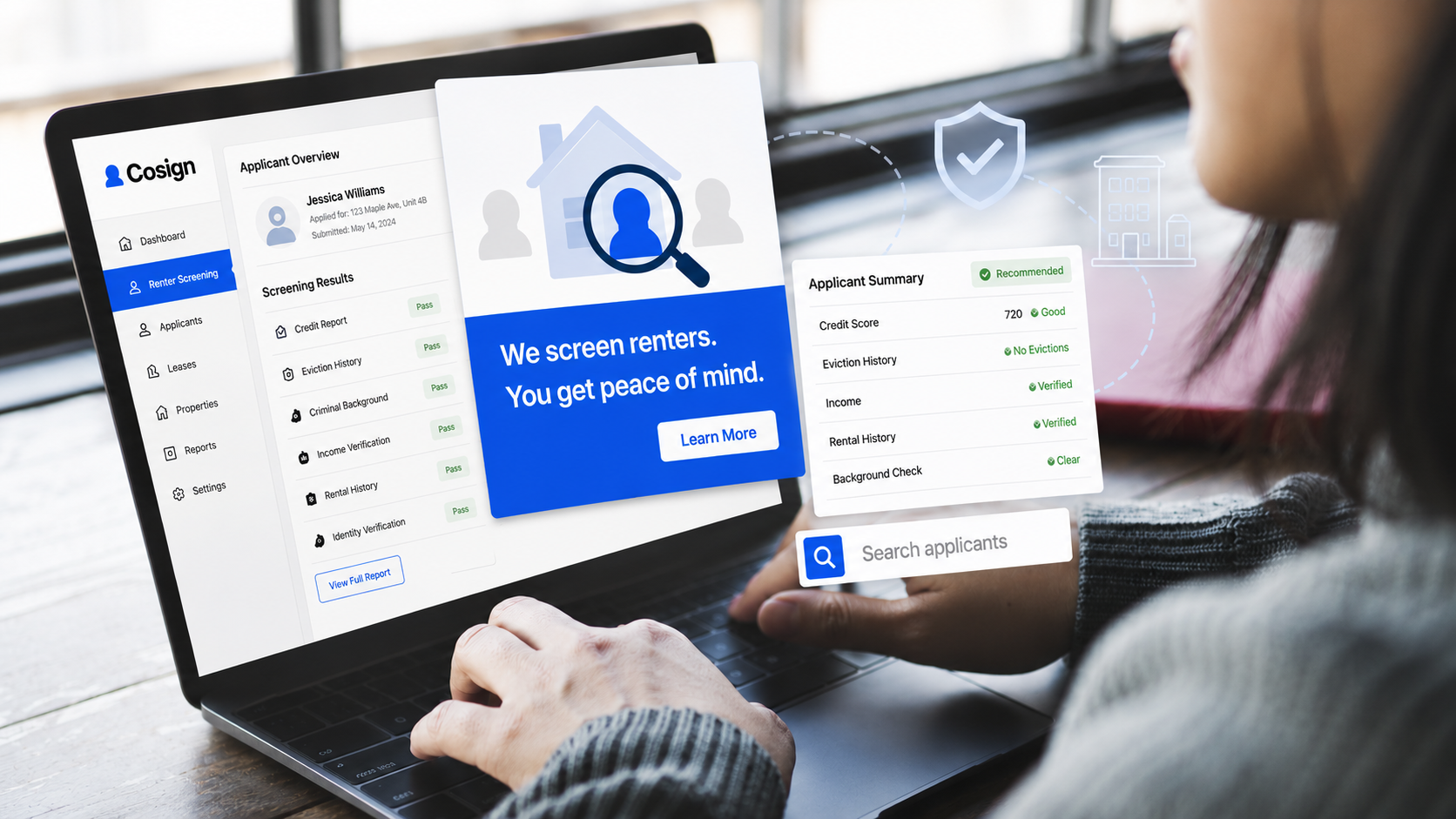
This is where a rent guarantor like Cosign addresses the problem upstream: rather than lowering screening standards, Cosign helps operators qualify applicants who narrowly miss standard thresholds by acting as a third-party guarantor, reducing vacancy exposure and bad debt risk without compromising the criteria that protect NOI.
Reclaiming Staff Time Through Centralization and Automation
Operations teams are spending an average of 95 hours per month on manual processes. Property managers saved approximately 61 hours of manual work last year by automating operations. That recovered time flows directly back into the leasing and move-in interactions that determine early-tenure outcomes.
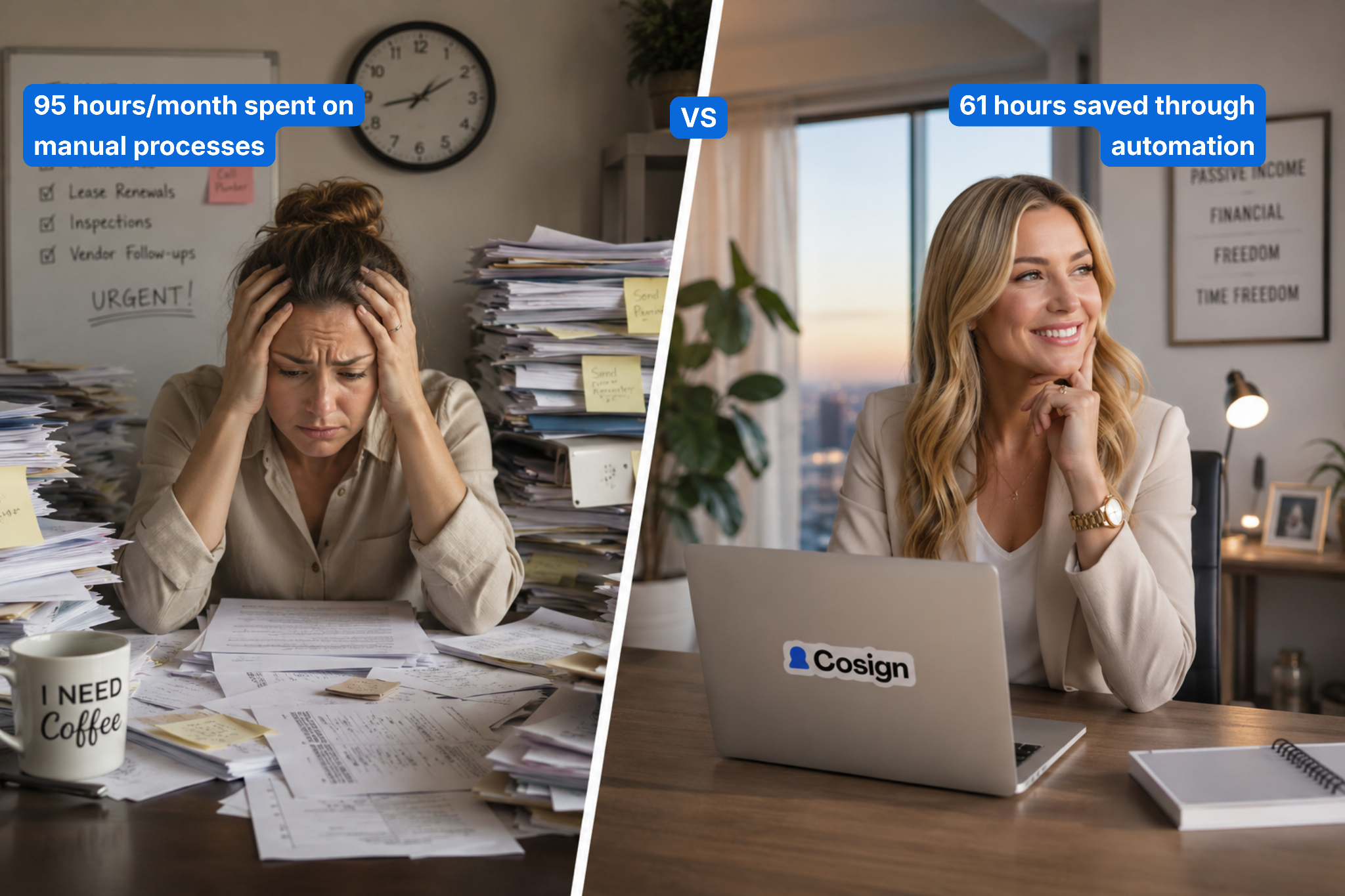
Fragmented tech stacks are a primary driver of that manual workload. When leasing, maintenance, access control, and resident communication each run on separate platforms, property managers spend significant time on data entry, system-switching, and gap-filling. Consolidating these into a unified platform eliminates data silos and frees staff for the face-to-face interactions that drive leasing conversion and early-tenure trust.
Conclusion
The renter experience multifamily operators provide is a leasing and early-tenure lever. Operators who get the leasing experience right, respond fast on maintenance, and reduce move-in friction will see the effects in lower early churn, stronger conversion rates, and the kind of online reputation that fills the top of the leasing funnel before a single ad dollar is spent.
What happens from the first 60 days onward, including mid-lease engagement, satisfaction tracking, and renewal sequencing, is covered in our guide to resident retention for multifamily operators. The two posts are designed to work together as a complete picture of the renter lifecycle.
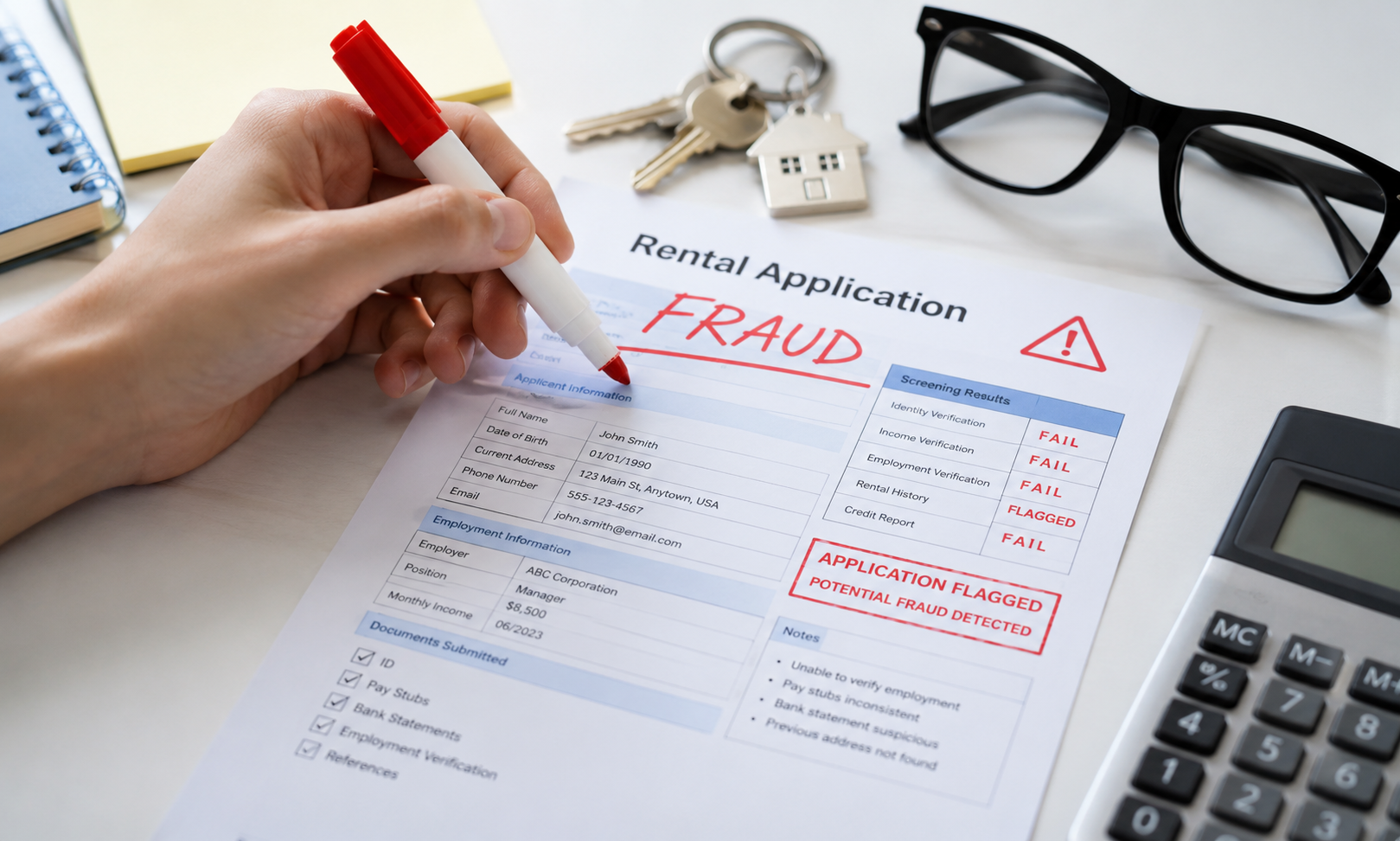
One area where operators can address churn before it starts is at the qualification stage. When financially qualified applicants are screened out due to borderline credit or income events, operators absorb the vacancy cost of units sitting empty longer than necessary.
Cosign works as a third-party rent guarantor to help operators qualify those applicants without lowering screening standards, reducing the upstream risk that leads to bad debt and early-tenancy attrition.
.avif)
.avif)
.png)
.png)


Aumentemos tus tasas de ocupación


