


.svg)


How Long Does a Rental Application Take? A Complete Guide for Renters

Waiting to hear back on an apartment you love is one of the most stressful parts of moving. Knowing how long a rental application takes can help you plan your timeline and avoid unnecessary anxiety.
In most cases, you can expect an answer within 1 to 3 business days. Depending on the landlord, your application, and the time of year, that window can shrink to a few hours or stretch to a week or more.
This guide breaks down the full rental application timeline: what landlords are reviewing behind the scenes, what causes delays, how to speed things up, how to recognize approval when it comes, and what to do next.
How long does a rental application take to process?
The answer depends on how prepared you are, how thorough the landlord's screening process is, and whether you are applying to a professionally managed building or renting directly from an individual owner. Here is how the timeline typically breaks down.
Fast-track approvals (within 24 hours)
If you have strong credit, a complete application, and steady verifiable income, you could hear back the same day or the next morning. This is most common with large property management companies that use automated online screening systems.
Submitting an online application also gives you a speed advantage. Paper applications take longer to process because they require manual data entry before screening can even begin.
The standard wait (1 to 3 business days)
Most applicants fall into this window. One to three business days gives the property manager time to review your credit report, run a background check, verify your employment, and contact your references.
If you applied on a Friday, keep in mind that processing typically does not begin until Monday. Business days are what matter, not calendar days.
Extended delays (up to 1 to 2 weeks)
In some cases, you may wait a week or longer. This usually happens when you are renting from an individual landlord with other responsibilities, when references are difficult to reach, or when you apply during peak summer moving season and the landlord is processing a large volume of applications at once.
What happens during the rental application process?
Understanding what landlords are actually doing while you wait makes the timeline easier to predict and easier to manage.
Submitting the application
Completing a rental application can take anywhere from 15 minutes to a few hours, depending on how much documentation is required. Most landlords charge a non-refundable application fee to cover the cost of background and credit screening.
Have your documents ready before you start: a government-issued ID, recent pay stubs or proof of income, bank statements, and contact information for your references. Submitting a complete application from the start eliminates one of the most common causes of delay.
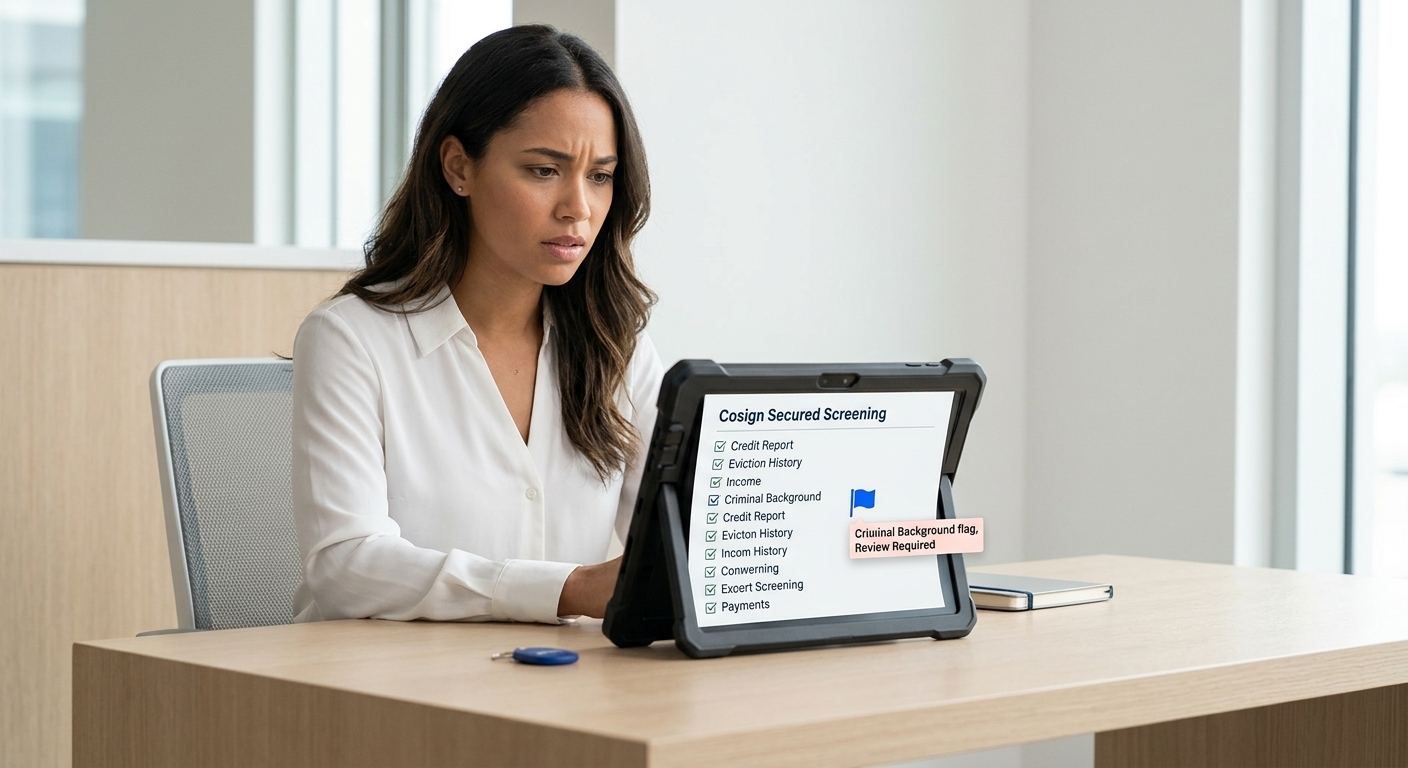
Credit and background checks
Credit reports often come back within minutes. Background checks, which review criminal history and prior evictions, can take anywhere from a few hours to a few days depending on the databases being searched.
One important distinction: most landlords run a soft credit inquiry, which does not affect your credit score. Some run a hard inquiry, which can have a minor temporary impact. It is worth asking upfront which type the landlord uses before you apply.
Income and employment verification
Landlords need to confirm that your income is sufficient to cover the monthly rent. When this is done manually, such as by calling your employer's HR department or reviewing several months of bank statements, it can be the slowest stage of the entire process, taking multiple business days.
If you are self-employed or have income from multiple sources, expect this step to take longer than it would for someone with a standard pay stub.
Rental history and reference checks
Landlords typically reach out to your previous landlords and current employer to verify what you have provided on the application. Because this step depends entirely on a third party responding promptly, it is often the most time-variable part of the process.
Why is my rental application taking so long?

If it has been more than three business days with no word, one of the following is likely holding things up.
Incomplete or inaccurate information
A missing document or a typo on your application requires the landlord to stop, reach out, and wait for you to respond before screening can continue. This alone can add several days to the timeline.
Unresponsive references
If your previous landlord is traveling or your current employer is slow to return calls, your application will sit until contact is made. This is one of the delays applicants have the least control over after the application is submitted.
Co-signers, roommates, or unconventional income
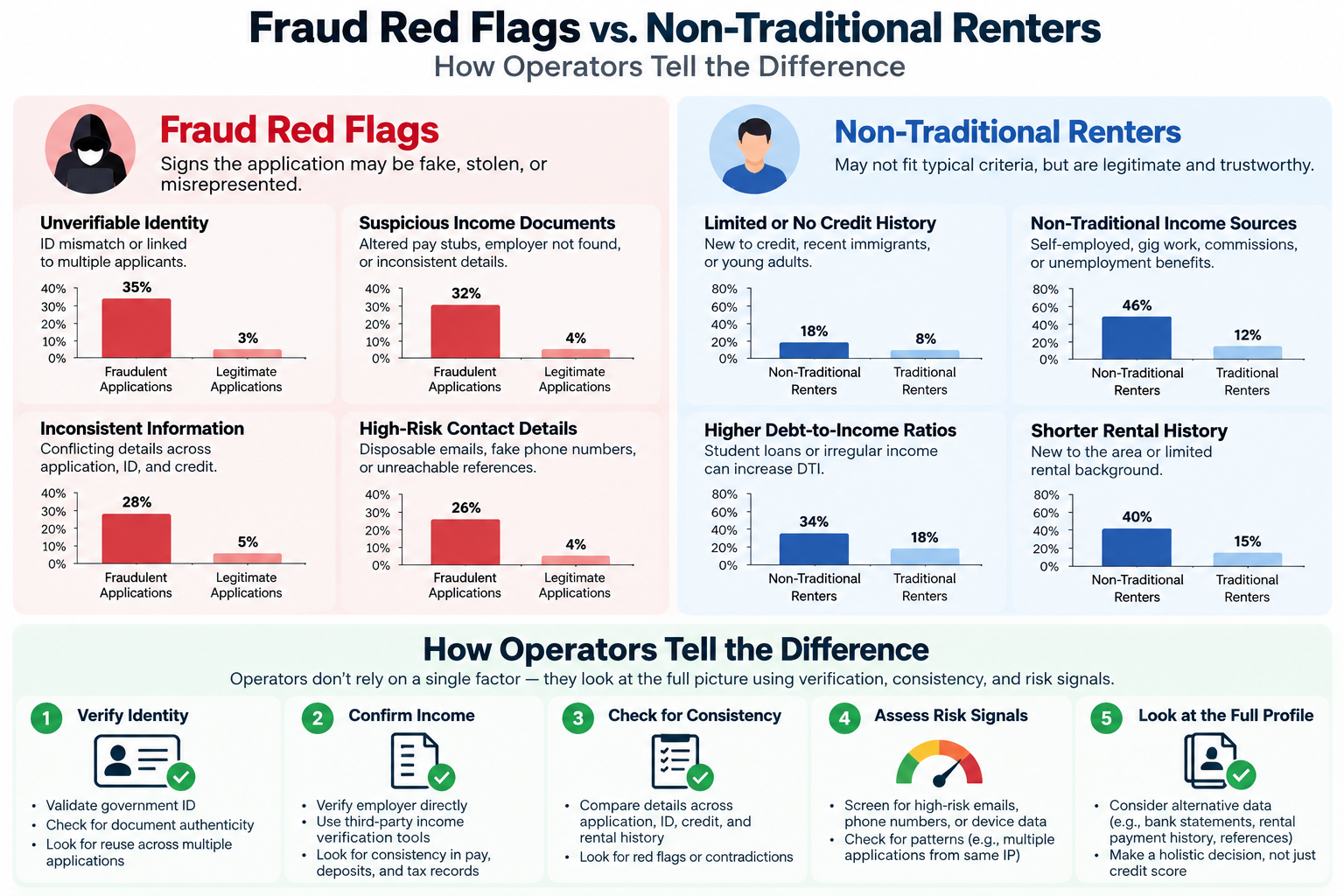
Each co-signer or roommate on the application requires a full, separate screening. If you are applying with two roommates, the landlord is effectively running three applications at once. Self-employed income or income from freelance work also takes longer to verify than a standard W-2.
Peak season and weekend timing
Summer is the busiest rental season. Landlords fielding a high volume of applications at once will naturally take longer to get through each one. Applications submitted Friday afternoon or over a holiday weekend will not begin processing until the next business day.
How to speed up your rental application
You cannot control how quickly a landlord processes paperwork, but you can eliminate the delays that come from your side of the equation.
Gather your documents before you apply
Before submitting any application, have digital copies of your government-issued ID, recent pay stubs, W-2s or tax returns, bank statements, and vehicle information ready to attach. A complete application moves to the front of the queue.
Give your references a heads-up
Contact your previous landlords and current employer before applying to let them know a property manager will be reaching out. A quick response from a reference can cut your approval time by a full day or more.
Ask your current landlord for a recommendation letter
If you have a positive relationship with your current landlord, ask them to write a brief recommendation letter before you start applying. A written reference that speaks to your payment history and how you maintain your home gives the next landlord confidence and can reduce the time spent chasing down verbal references.
Apply online and early in the week
Online applications reach the landlord immediately and can be screened faster than paper ones. Submitting Monday through Wednesday keeps the process within active business hours for both the property manager and your references.
Write a brief cover letter in competitive markets
In high-demand rental markets, a short cover letter can help your application stand out. It also gives you space to proactively address any gaps in employment or recent changes to your credit, which saves the landlord the time of following up to ask.
How to tell if your rental application was approved
Approval rarely arrives without a signal. Here is what to watch for.
- A phone call or email from the landlord or property manager. Direct outreach asking you to move forward is the most common approval signal.
- A lease sent for your review and signature. Receiving a draft lease is a strong indicator that you have been selected from the applicant pool.
- An online portal status update. Many property management platforms update application status in real time; log in and check if you have been waiting without any communication.
- A request for your security deposit or first month's rent. A deposit request is one of the clearest confirmation signals that your application has been approved.
What to do while you wait, and what happens after approval
The waiting period and the days immediately after approval both require some action on your part.
When and how to follow up
If you were not given a specific timeline, wait at least three business days before reaching out to a property management company, or up to five for an independent landlord. A brief, polite email asking whether they need any additional information is appropriate and will not come across as pushy.
Keep applying elsewhere
Do not pause your search while waiting on a single application. If you are working against a move-out deadline, continue applying to other properties so that an unexpected denial or delay does not leave you without options.
After approval: next steps
Once you are approved, the process moves quickly. Here is what to expect.
- Review and sign the lease agreement, noting key terms like rent amount, lease length, pet policy, and renewal conditions.
- Pay the security deposit and first month's rent, typically within a few days of signing.
- Schedule your move-in date and coordinate key pickup with the landlord or property manager.
- Arrange to transfer utilities into your name before move-in day so service is active when you arrive.
Conclusion
Most rental applications resolve within 1 to 3 business days. A complete application, responsive references, and an online submission give you the best shot at a fast approval.
If the timeline stretches longer than expected, the sections above can help you identify what is causing the delay and whether there is anything you can do to move things forward.
If a narrow qualification issue is what's holding up your application, a third-party lease partner can help. Cosign works with renters who narrowly miss standard credit or income thresholds and can often get the right person approved within 24 hours.
Frequently asked questions
Q: How long does a background check take for an apartment?
A: A standard background check takes anywhere from a few hours to three days. In some cases, depending on the screening provider and the state you live in, it can extend up to a week.
Q: Can I get approved for an apartment on the same day?
A: Yes. Same-day approvals are possible if you have strong credit, a complete application, and highly responsive references, particularly if the landlord uses an automated digital screening tool.
Q: Does a rental application hurt my credit score?
A: Most rental applications use a soft credit inquiry, which does not affect your score. Some landlords run a hard inquiry, which can have a minor temporary impact. Ask the landlord which type they use before submitting your application.
.avif)
.avif)
.jpeg)
.png)


Aumentemos tus tasas de ocupación


