


.svg)


2026 Multifamily Market Report: What Slowing Rent Growth and Rising Fraud Mean for Leasing Strategy

- Yardi projects 2026 completions will drop 24% to 450,000 units, down from roughly 595,000 in 2025.
- Absorption is expected to overtake new deliveries by the second half of 2026, setting up firmer rent growth into 2027.
- Rent growth remains uneven: Boston and Washington D.C. lead at 2.1%, while Sun Belt markets are still stabilizing after negative to near-zero growth in 2025.
- 93.3% of landlords report experiencing rental fraud in the past 12 months, adding risk on top of a slow-growth environment.
- Leasing teams are being asked to do more with a smaller margin for error: fill units faster, screen more carefully, and hold onto residents longer.
- Programs that speed up qualified approvals, like lease guarantor services, are becoming a bigger part of the leasing strategy conversation.
Supply Is Finally Slowing Down
After several years of aggressive new construction, the supply picture is shifting. Yardi projects 2026 completions will drop 24% to roughly 450,000 units, down from about 595,000 in 2025. Only 31,055 new units were added to inventory in the first quarter of 2026, well below the three-year quarterly average of 80,400, a structural reduction in the forward supply threat that has been pressuring occupancy in oversupplied markets for the past two years.
This matters because absorption is expected to overtake new deliveries by the second half of 2026 in most markets, which sets the stage for tighter vacancy and firmer rent growth heading into 2027. Operators who can hold on through the current soft patch are positioned to benefit once that shift plays out.
Rent Growth Is Uneven, Not Uniformly Weak
The national headline numbers, roughly 0.8% average effective rent growth in 2025 and a projected 2.3% in 2026, mask significant regional variation. Boston and Washington, D.C. are leading at 2.1% projected growth, followed by Indianapolis and Kansas City at 1.9%, driven by limited new construction and steady demand. Sun Belt markets tell a different story: after a 2025 marked by negative to near-zero rent growth and occupancy sitting in the low 92-94% range, these markets are only now entering a stabilization phase as the supply glut from 2023-2025 construction gets absorbed.
Operators managing multi-market portfolios need strategy that reflects this split. A Sun Belt property competing against recently delivered inventory needs a different leasing approach than a Boston property with almost no new competition on the horizon. Applying the same rent strategy across both is a good way to leave money on the table in one market while pricing yourself out in the other.
.png)
Fraud Risk Is Rising at the Same Time Margins Are Tightening
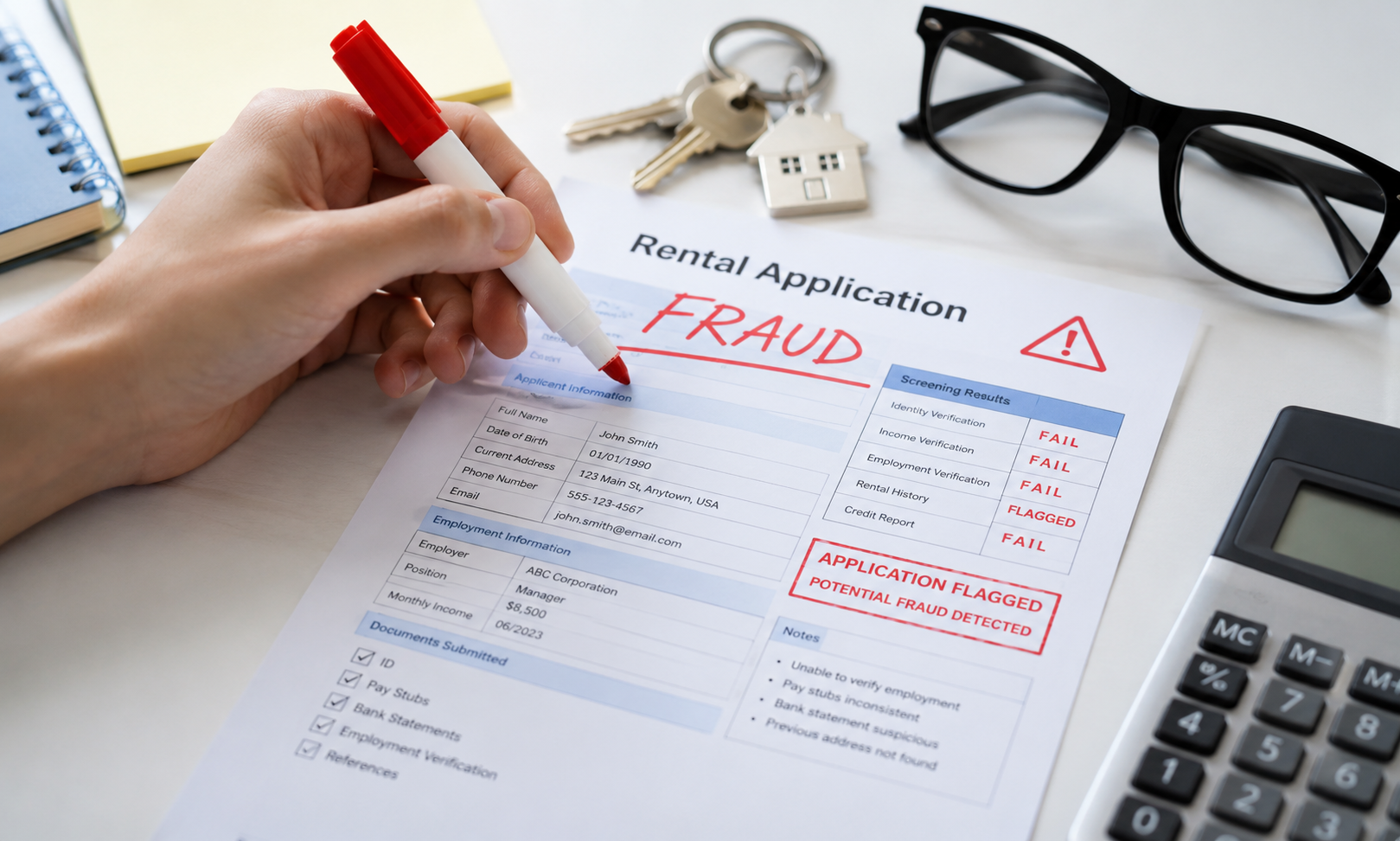
The supply and rent story is only half the picture. At the same time operators are working with thinner margins, fraud exposure is climbing. 93.3% of rental housing providers report experiencing fraud in the past 12 months, and the estimated cost to landlords industry-wide has reached $4.7 billion annually. This combination, slower rent growth plus rising fraud exposure, means operators cannot afford the same margin for error on either side of the leasing process that they might have tolerated during stronger growth years.
Leasing teams are effectively being asked to do two things simultaneously that pull in opposite directions: screen more carefully to reduce fraud exposure, while also converting applicants faster to protect occupancy in a supply-constrained labor and staffing environment. That tension is exactly where leasing technology and guarantor programs are becoming a bigger part of the conversation.
What This Means for Leasing Strategy Right Now
Operators positioned well for the rest of 2026 are making a few consistent moves. They are prioritizing occupancy and renewal discipline over aggressive rent pushes, particularly in markets still absorbing excess supply. They are layering fraud detection tools rather than relying on a single screening step, given how sharply document fraud has evolved. And they are looking at lease approval help tools, including guarantor services, as a way to convert more qualified applicants quickly without loosening actual underwriting standards.
Cosign fits into this strategy directly by giving properties a way to approve financially qualified renters who fall short on traditional credit or income metrics, at no cost to the landlord, while capping downside risk through guaranteed coverage if a claim is filed. In a year where neither rent growth nor supply relief is guaranteed, tools that protect the leasing funnel itself are carrying more weight than they have in previous cycles.
See how it works for yourself, book a demo today at rentwithcosign.com.
The Next Six Months
Watch two data points closely through the back half of 2026: whether absorption actually overtakes deliveries on schedule, which would signal the start of firmer rent growth into 2027, and whether fraud prevalence continues climbing at the pace seen over the last two years. Both will shape how aggressively operators can price units versus how much they need to invest in screening and risk mitigation to protect the revenue they already have.
Frequently Asked Questions
Q: Is new multifamily supply slowing down in 2026?
A: Yes. Yardi projects 2026 completions will fall 24% to approximately 450,000 units, down from about 595,000 in 2025, as construction activity cools significantly from its recent peak.
Q: Which markets have the strongest rent growth in 2026?
A: Boston and Washington, D.C. are projected to lead at 2.1% rent growth, followed by Indianapolis and Kansas City at 1.9%, driven by limited new supply and steady demand.
Q: Are Sun Belt multifamily markets recovering in 2026?
A: They are stabilizing. After negative to near-zero rent growth and occupancy in the low 92-94% range in 2025, Sun Belt markets are gradually absorbing excess supply from the recent construction boom.
Q: How does rising fraud risk affect leasing strategy in 2026?
A: With 93.3% of landlords reporting fraud in the past year and total industry costs estimated at $4.7 billion annually, operators are layering additional screening steps and guarantor programs to protect revenue without slowing down qualified applicants.
Q: How can operators speed up qualified approvals without increasing fraud risk?
A: Guarantor programs like Cosign allow operators to approve renters who fall short on traditional credit or income metrics while transferring the associated risk to the guarantor, rather than loosening underwriting standards outright.
.avif)
.avif)

.png)
.png)


Aumentemos tus tasas de ocupación


