


.svg)


What Are Second-Chance Apartments? Operator Guide
Our data shows that over 40% of working Americans have their rental applications denied for one reason or another.
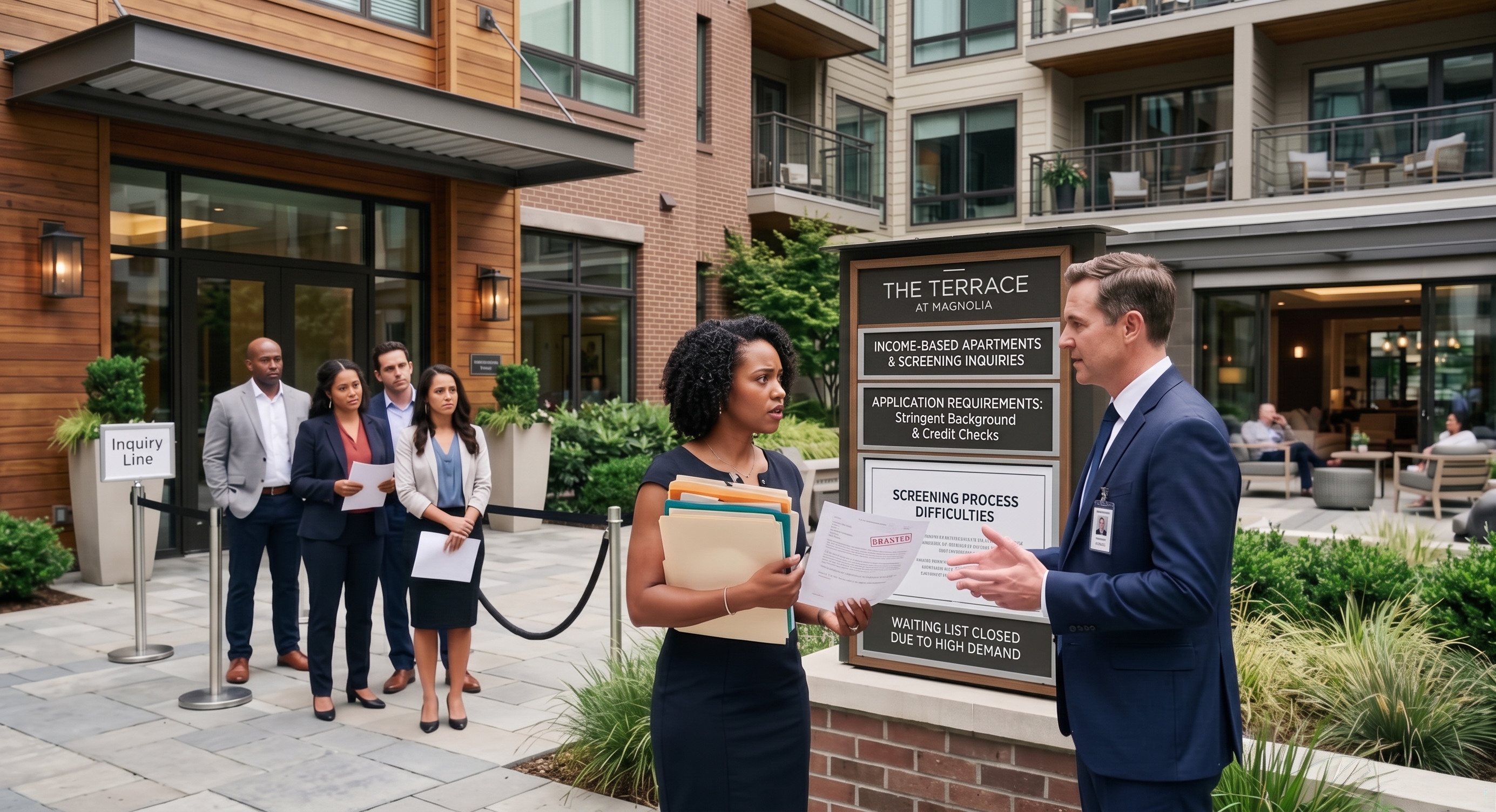
We talk to hundreds of operators every month, and every portfolio has a segment of applicants who get denied because:
- Credit is thin,
- income documentation is messy,
- or there’s an old eviction that doesn't reflect current stability.
These applicants might only be less than perfect on paper, but for multifamily operators to mitigate the risks associated with bad approvals, they must have a very high bar for who gets an apartment and who doesn't. As a result, the typical approval funnel is getting tighter.
But when you’re trying to keep occupancy up, is there an alternative approval pathway for the typical multifamily operator? Second-chance apartments offer a structured way to approve the people who still make sense without blowing up your bad-debt line.
What Second-Chance Apartments Actually Mean for Operators

At its core, a second-chance leasing is a structured path for applicants who miss your standard screening thresholds but still present as stable, low-friction residents once risk is properly managed.
Think of it as a way to expand your multifamily tenant approval rates safely without relying on subjective exceptions or gut calls from your leasing team.
Second-chance housing acknowledges that rigid screening rules don’t account for how real people earn, pay, and recover.
How Second‑Chance Leasing Differs From Other Approval Paths
Second‑chance leasing isn’t the same as affordable housing programs, Fair Chance Housing rules, or one‑off exceptions. Affordable housing is tied to income bands and federal or local compliance. Fair Chance policies govern how and when you can consider criminal history. And ad‑hoc exceptions rely on individual judgment rather than a defined workflow.
Second‑chance leasing sits in its own lane: a structured way to evaluate unconventional profiles while keeping your standards, documentation, and risk controls intact. Some operators already handle this quietly through “exceptions” or “case-by-case” reviews. The problem is that ad-hoc exceptions don’t scale, they’re inconsistent across teams, and they usually create more risk than they solve.
A more structured approach gives you something better: a clean workflow, clear guardrails, and a way to grow the approval funnel without lightening your standards.
The biggest operational challenge with second‑chance leasing is consistency. Borderline applications tend to pull teams into long back‑and‑forths, each person trying to interpret whether a thin credit file or a messy income story is a real risk or just a paperwork problem. Those conversations drain time, create uneven decisions, and can push the same profile to an approval on Monday and a denial on Friday.
Looking to improve occupancy and NOI without taking on more risk? Book a demo with Cosign.
So What Does a Second‑Chance Framework Actually Include?
A strong second-chance structure usually includes a few core components:
- Clear eligibility parameters. Not everyone qualifies, and that’s the point. Operators set guardrails around which credit issues, income scenarios, or rental blemishes can be reconsidered and which remain automatic denials.
- Additional documentation requirements. When the profile is unconventional, the paperwork needs to be cleaner. That might mean verified income streams, stronger employment history, or more detailed rental references.
- Risk‑adjusted conditions. Instead of a simple yes or no, approvals can come with terms that match the risk level—things like layered verification, higher income multiples, or a third‑party guarantor to absorb financial exposure.
- Consistent workflow steps. The power is in repeatability. Leasing teams know exactly when to escalate a file, what information to collect, and how to funnel the application through the second‑chance review without improvising.
A framework like this gives you a more accurate way to evaluate applicants who fall outside the traditional mold while keeping control of your risk profile. It also reduces friction inside the operation. When teams aren’t debating edge cases all day, approvals get faster, decisions stay consistent, and conversations with ownership become a lot cleaner.
Best Times to Use Second-Chance Leasing

Because of how taxing offering second-chance housing can be, operators don’t tend to see it as a viable way to increase occupancy. This gets especially tough during slow seasons, when new buildings aren't filling up even though lots of people are applying, and when the economy results in more renters having weak credit or uneven income.
It's in such moments that rigid screening rules collide with the reality of keeping a property full. A structured second‑chance framework gives operators a viable occupancy strategy for hard-to-qualify applicants without lowering standards or crossing compliance lines.
And when you zoom out across a portfolio, those saved approvals stack up. A few percentage points of recovered approvals during soft cycles can be the difference between a smooth quarter and one filled with unplanned concessions and uncomfortable ownership calls.
Bringing It Into Your Workflow - and Where to Go From Here
Second‑chance leasing works best when it’s woven directly into your screening and escalation process. That means your leasing team knows exactly when to route a file into review, what information to collect, and how decisions are documented, so nothing depends on who was working the desk that day.
Ultimately, second‑chance apartments aren’t about loosening standards. They’re about evaluating applicants more accurately and pairing that accuracy with protection that keeps the decision sound across a portfolio.
However, even a well‑structured second‑chance process has limits if the property still carries the financial risk. Clean workflows and guardrails help, but when a nontraditional applicant defaults, the exposure lands on the balance sheet.
That’s why many operators layer a third‑party guarantor into their second‑chance framework as the mechanism that makes the entire approach sustainable. A guarantor absorbs the financial responsibility, which turns borderline approvals into decisions that feel stable, documented, and portfolio‑safe.
Operators use it as the underwriting and guarantee backbone for applicants who fall just outside conventional criteria, allowing second‑chance pathways to function without turning into ad‑hoc exceptions, oversized deposits, or unpredictable outcomes.
For operators managing tighter funnels and rising applicant complexity, that combination is often the difference between keeping units full and chasing occupancy from behind.
.avif)
.avif)





Aumentemos tus tasas de ocupación


