


.svg)


The Operator's Guide to U.S. Landlord Tenant Law

Managing rental properties across the U.S. has never required more legal attention. Since 2024, a wave of new just cause eviction laws, tighter security deposit caps, and expanded fair housing protections have reshaped the compliance landscape in markets from New York to Colorado to California. Staying current on U.S. landlord tenant law is no longer a once-a-year exercise. It is an ongoing operational requirement.
U.S. landlord tenant law operates at three levels: federal, state, and local.
Federal law sets the non-negotiable baseline. State statutes govern most day-to-day realities of property management. Local ordinances can be more restrictive than either. Operators managing properties across multiple markets face a different set of rules in each jurisdiction, and ignorance of those rules is not a valid legal defense.
This guide covers the full compliance framework: federal laws, state-level obligations, lease construction, habitability standards, and the eviction process. It is written for multifamily owners, operators, and property management teams who need a working understanding of the law, not a law school textbook.
Disclaimer: The information in this article is for general informational purposes only and does not constitute legal advice. Laws vary by state and locality and are subject to change. Always consult a qualified attorney licensed in your jurisdiction before making any legal or business decisions related to your rental operations.
Why U.S. Landlord Tenant Law Is More Complex Than Ever
Most landlord-tenant law in the U.S. is rooted in state statute. Many states follow versions of the Uniform Residential Landlord and Tenant Act (URLTA), a model framework that standardizes core obligations around habitability, deposits, and notice requirements, though adoption and interpretation vary widely by state.
Since 2024, that complexity has accelerated. Multiple states have introduced just cause eviction protections that restrict when and how operators can terminate a tenancy. Several have capped security deposits at one month's rent. Others have extended required notice periods for rent increases and lease non-renewals. New transparency mandates now require specific fee disclosures in lease agreements and advertising.
The result is a patchwork of obligations that changes by state, by city, and sometimes by building type or portfolio size. Operators who manage properties across multiple markets need to track requirements in each jurisdiction independently.
Federal Landlord Tenant Laws Every Operator Must Know
Federal law establishes the compliance floor. These requirements apply uniformly to operators in all 50 states, regardless of local market conditions.
The Fair Housing Act: Discrimination Protections and Consistent Screening
The Fair Housing Act prohibits discrimination based on seven protected classes: race, color, national origin, religion, sex, familial status, and disability. These protections apply across the entire rental process: advertising, marketing, application review, tenant selection, lease terms, and renewals, not just the final leasing decision.
Advertising is a common compliance failure. Any language that signals a preference for or against a protected class, even indirectly, can constitute a violation. HUD administers Fair Housing Act enforcement and can investigate complaints, impose fines, and require corrective action.
Screening policies require equal application across all applicants. A blanket policy of rejecting anyone with a criminal record may itself violate the Fair Housing Act, according to HUD guidance, because of its disparate impact on certain protected classes. Screening criteria should be documented, consistently applied, and reviewed by legal counsel.
Many states and cities have added protected classes beyond the federal baseline, including sexual orientation, gender identity, marital status, and source of income. Those are covered in the state law section below.
Source of Income Discrimination: A Growing Fair Housing Risk
The federal Fair Housing Act does not protect applicants based on how they pay rent. But more than 20 states and 100 localities have passed their own source of income protections that prohibit landlords from rejecting applicants who use housing vouchers, Section 8 assistance, Social Security income, or other government benefits.
For operators managing properties across multiple markets, this is a material compliance risk. A policy that is legally permissible in one state may be a Fair Housing violation two cities away.
Advertising exposure is significant here. In covered jurisdictions, listing language that indicates a preference against voucher holders, even informally, can constitute a violation before a single application is received. Operators should audit their listings and application language in every market where source of income protections apply.
The Fair Credit Reporting Act: Screening Compliance and Adverse Action
The Fair Credit Reporting Act (FCRA) governs how landlords use consumer reports, including credit checks, background checks, eviction records, and criminal history, in the tenant screening process.
Core requirements: written consent from the applicant before pulling a report, use of the report only for housing eligibility purposes, and use of a consumer reporting agency that complies with FCRA standards.
The adverse action requirement is where most operators face compliance risk. Under the FCRA, an adverse action is any unfavorable decision based on screening information, and the definition is broader than most operators realize. Denial of an application is an obvious trigger. But requiring a co-signer, increasing a security deposit, imposing less favorable lease terms, or even requesting additional documentation can all constitute adverse actions that require formal notice.
When an adverse action is taken, the operator must provide the applicant with a written notice that includes:
- The name and contact information of the consumer reporting agency used
- The applicant's right to dispute inaccurate information in the report
- The applicant's right to obtain a free copy of the report within 60 days
- The key reasons for the decision
Written adverse action notices are best practice and provide the strongest evidence of FCRA compliance. Oral notices are technically permitted but leave operators exposed in disputes. HUD, the FHFA, and the USDA have jointly reminded landlords of this obligation, signaling increased regulatory attention to adverse action compliance.
The notice requirement applies even when the consumer report information was not the primary reason for the decision. If a report was accessed and any part of its contents influenced the outcome, notice is required.
ADA, Service Animals, and Federal Disclosure Requirements
Under the Americans with Disabilities Act and the Fair Housing Act, landlords cannot refuse to rent to applicants with service animals, charge pet fees for service animals, or increase rent because of them.
Service animals are considered reasonable accommodations. Operators should note that emotional support animals are treated differently from service animals under federal law, but may be protected under state or local fair housing rules.
Federal law also requires landlords to disclose known lead-based paint hazards in properties built before 1978. This disclosure must be made before a lease is signed and must include an EPA-approved information pamphlet. Failure to comply can result in civil penalties.
Navigating State-Level Landlord Tenant Laws
.avif)
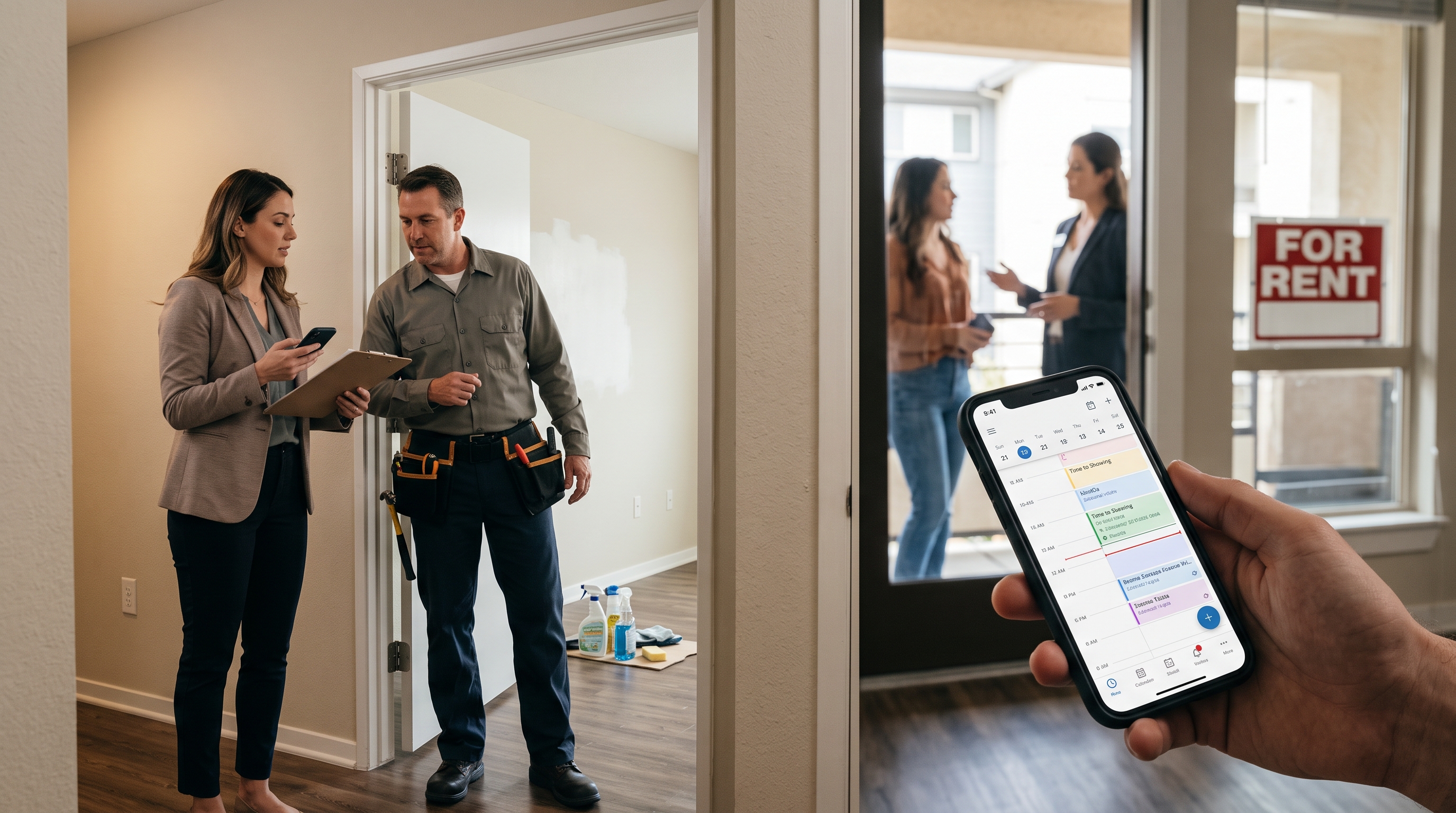
State law governs the practical realities of property management: deposit rules, entry notice requirements, eviction procedures, and habitability standards. These rules vary by jurisdiction and are actively changing. Operators managing multi-state portfolios cannot apply a uniform standard across markets.
Security Deposit Rules: Caps and Return Timelines Are Tightening
State statutes set the rules for how much a landlord can collect as a security deposit, how that deposit must be held, and when and how it must be returned.
A growing number of states, including California and Maryland, have moved to a one-month cap on security deposits for most residential units. This represents a significant change from prior rules that often allowed two or three months' rent. Some laws include exceptions for smaller landlords, typically defined as those owning two or fewer properties with four or fewer units.
Return timeline requirements are also tightening. Many states require landlords to return the deposit or provide a written, itemized list of deductions within 14 to 60 days of the tenant vacating. Operators who miss this deadline risk forfeiting the right to make any deductions at all, and in some states face liability for additional penalties.
The practical implication: operators should document the condition of each unit at move-in and move-out with dated photos and written inspection reports. This documentation is essential to defend any deduction if challenged.
Rent Control and Rent Stabilization
Rent control and rent stabilization are state and local issues. Operators should not assume these laws do not apply simply because their state has not passed a statewide rent control statute. Local ordinances can impose more restrictive limits independently.
Where rent stabilization applies, annual increases are typically capped at a percentage tied to the local Consumer Price Index. A common formula in recent legislation caps increases at 5% plus the local CPI, with a ceiling of 10%. Newer buildings, generally those completed within the past 15 years, are often exempt from stabilization requirements, a provision designed to avoid discouraging new construction.
Notice requirements for rent increases are also expanding. Some markets now require 30, 60, or 90 days of written advance notice before a rent increase takes effect, depending on how long the tenant has been in residence. Operators should verify the specific notice requirement in each market before issuing any rent increase.
Just Cause Eviction: A Major Structural Shift in High-Regulation Markets
Just cause eviction laws restrict the reasons for which a landlord can terminate a tenancy after a tenant has been in residence for a qualifying period, typically 12 months. These laws do not prevent eviction. They define the grounds on which it is legally permitted.
Just cause grounds fall into two categories. At-fault just cause includes non-payment of rent, lease violations, property damage, illegal activity on the premises, and other tenant actions. No-fault just cause covers situations where the landlord, not the tenant, drives the termination: owner move-in, substantial renovation requiring the unit to be vacant, or permanent removal of the unit from the rental market.
No-fault evictions now carry additional obligations in many jurisdictions. Operators may be required to provide relocation assistance, commonly one to three months of rent, when terminating a tenancy for no-fault reasons. In some markets, the owner or qualifying relative must occupy the unit for a minimum period after an owner move-in eviction, and violations carry significant financial penalties.
Key markets where just cause protections are now in effect:
- California: The Tenant Protection Act of 2019, with updates effective in 2024, requires just cause after 12 months of occupancy for most multi-unit residential properties.
- New York: The Good Cause Eviction Law, effective April 2024, applies in New York City and allows municipalities statewide to opt in. Albany, Rochester, Troy, and other cities have since opted in.
- Colorado: HB 24-1098, effective April 2024, prohibits eviction without cause, with qualifying grounds including lease violations, nuisance behavior, and property damage.
Several additional states introduced just cause legislation in 2025. Operators in major metro markets should verify current requirements before issuing any notice to vacate.
Required Disclosures, Notice Periods, and Abandoned Property
Most states require landlords to provide specific disclosures either in the lease agreement or before move-in. Common state-mandated disclosures include: known mold, lead paint hazards (federal baseline), prior flooding events, pest infestations, and in some states, prior deaths on the property.
Entry notice requirements vary by state, typically falling between 24 and 48 hours of written advance notice before a non-emergency entry. Operators managing properties in multiple states should confirm the requirement in each jurisdiction. Entering without proper notice can expose operators to claims for breach of quiet enjoyment.
Abandoned property procedures also vary. When a tenant vacates and leaves personal property behind, most states require the landlord to provide written notice to the former tenant and store the items for a specified period before disposing of or selling them. Skipping this process, even when the tenant has clearly vacated, can create liability.
Building a Legally Sound Lease Agreement

The lease is the foundational compliance document. A well-constructed lease protects operators, establishes clear expectations, reduces disputes, and limits legal exposure. A poorly constructed one, particularly one that includes unenforceable clauses, can work against the operator in litigation.
What a Legally Compliant Lease Must Include
At minimum, a residential lease should clearly establish:
- Names of all parties and the property address
- Rent amount, due date, and accepted payment methods
- Lease term (start and end dates, or month-to-month designation)
- Security deposit amount, conditions for deductions, and return timeline
- Maintenance responsibilities for both parties
- Late fee structure and grace period
- Entry notice provisions
- Rules regarding subletting, guests, and alterations
Several states and cities now require upfront disclosure of all mandatory fees in both advertising and the lease itself, with no bundled charges or fees disclosed only at signing. Rhode Island's HB 7647, which took effect January 1, 2025, is one recent example requiring explicit fee transparency and additional tenant disclosures. Operators should verify current disclosure requirements in each market.
Lease Clauses That Are Unenforceable by Law
Certain clauses appear in leases with some regularity but will not be upheld by courts. These include:
- Waiving the implied warranty of habitability
- Limiting landlord liability for negligence in maintaining the property
- Prohibiting tenants from contacting housing authorities or code enforcement
- Requiring tenants to pay for all repairs regardless of cause or fault
- Waiving a tenant's right to a security deposit return
Including unenforceable clauses does not protect the operator. In litigation, they can signal bad faith and undermine otherwise valid positions. Lease templates should be reviewed by legal counsel and updated when state law changes.
Fixed-Term vs. Month-to-Month: Operational Implications
Fixed-term leases provide revenue predictability and lock in rental rates for the lease period. Month-to-month arrangements offer flexibility but require more consistent compliance with notice requirements for rent increases, entry, and termination.
In just cause jurisdictions, the distinction between tenancy types can affect which eviction grounds are available and what notice periods apply. Operators in high-regulation markets should understand how the tenancy type interacts with local just cause requirements before structuring new leases.
Core Landlord Obligations Under U.S. Landlord Tenant Law
The Implied Warranty of Habitability
Landlords are legally required to provide a safe, habitable unit. At minimum, this means functioning plumbing, heat, and electrical systems, structurally sound premises, and a property free from pest infestations and environmental hazards.
Most states recognize this as a non-waivable implied warranty, meaning it applies regardless of what the lease says. If a landlord breaches the warranty of habitability, tenants in most jurisdictions have the right to withhold rent, deduct the cost of repairs from rent, report violations to housing authorities, or terminate the lease entirely.
Colorado's SB 24-094, enacted in 2024, is a recent example of states moving to strengthen habitability obligations, adding specific communication timelines for landlords responding to repair requests and requiring comparable accommodations when a unit becomes uninhabitable.
Operators should maintain a documented maintenance log for each property. A clear record of reported issues, response timelines, and completed repairs provides essential protection in habitability disputes.
Right to Privacy and Entry Notice Requirements
Tenants have the right to quiet enjoyment of their unit. Landlords cannot enter a rental unit whenever they choose. In most states, 24 to 48 hours of written advance notice is required before entry for non-emergency purposes: inspections, showing the unit to prospective tenants, or completing repairs.
Emergency entry without notice is permitted when there is an immediate threat to the property or the safety of occupants. Routine maintenance does not qualify as an emergency.
Operators managing properties across multiple states should confirm the specific notice requirement in each jurisdiction. Some states also restrict the days and hours during which a landlord may enter, even with proper notice.
Maintenance and Repair Responsibilities
The division of maintenance responsibility is one of the most common sources of landlord-tenant disputes. The general framework: landlords are responsible for maintaining the property in habitable condition, completing reported repairs in a timely manner, and keeping any supplied appliances and fixtures in good working order. Tenants are responsible for general cleanliness, proper waste disposal, and reporting issues promptly and in writing.
Timely response to repair requests is both a legal obligation and a practical risk management tool. In states where tenants can withhold rent or invoke repair-and-deduct rights, a documented failure to respond to a reported issue weakens the landlord's position significantly.
The Eviction Process Under U.S. Landlord Tenant Law
When a tenancy goes wrong, the law places strict procedural requirements on how operators can remove a tenant. Skipping steps, even when the tenant is clearly in the wrong, can invalidate the entire eviction and require starting over.
Legal Grounds for Eviction
Standard legal grounds for eviction include non-payment of rent, material lease violations, significant property damage, illegal activity on the premises, and holdover after a lease expires. In just cause jurisdictions, these grounds apply even after the qualifying tenure period, but operators must also comply with the applicable notice and documentation requirements.
Retaliatory evictions are illegal. A landlord cannot initiate eviction proceedings because a tenant has reported code violations, contacted housing authorities, or exercised any other legally protected right. Courts take retaliatory eviction claims seriously, and the timing of an eviction notice relative to a tenant complaint is scrutinized.
The Required Notice Sequence Before Filing
Before filing an eviction action in court, landlords must provide the tenant with a formal written notice. The type of notice depends on the grounds for eviction:
- Pay or quit notice: Used for non-payment of rent. Gives the tenant a specified period (commonly 3 to 14 days, depending on state) to pay the balance owed or vacate.
- Cure or quit notice: Used for curable lease violations. Gives the tenant time to remedy the violation before the landlord can proceed.
- Unconditional quit notice: Used for serious violations such as significant property damage or illegal activity. No opportunity to cure is required in most states.
Notice periods have been extended in many markets. Some states now require 30 to 60 days notice even for non-payment of rent in certain circumstances. After the notice period expires without resolution, the landlord may file an unlawful detainer action in court. Only a court order allows a landlord to proceed with removal. Only law enforcement can physically carry out that removal.
Self-Help Evictions Are Strictly Illegal
Regardless of how clearly a tenant is in default, landlords are prohibited from taking any unilateral action to remove them. Self-help evictions, including changing locks, removing doors or windows, shutting off utilities, removing the tenant's belongings, or any other action intended to force a tenant out without a court order, are illegal in all 50 states.
The financial consequences of self-help evictions are severe. In some states, operators can be held liable for up to three times the tenant's actual damages, including relocation costs. The tenant may also be entitled to re-enter the property and remain until a proper court order is obtained.
If a tenant refuses to leave after a valid court order has been issued, the operator's only legal recourse is to contact law enforcement to carry out the removal.
Frequently Asked Questions
Can I raise rent during a fixed-term lease? Generally, no. Rent cannot be increased during the fixed lease term unless the lease explicitly permits it. For month-to-month tenancies, advance written notice is required. The timeframe varies by state, typically 30 to 60 days. In rent-stabilized markets, additional restrictions on the amount and frequency of increases apply.
What happens if I miss the security deposit return deadline? Consequences vary by state but can be significant. Many states impose a forfeiture penalty: the landlord loses the right to make any deductions at all. Some states allow tenants to sue for two or three times the deposit amount if the deadline is missed without cause. Consistent use of dated move-out inspection documentation is the best protection.
Do I have to accept Section 8 vouchers? It depends on where your property is located. Federal law does not require landlords to accept Housing Choice Vouchers. However, more than 20 states and 100 localities have passed source of income protections that prohibit rejection on this basis. Operators should confirm the applicable law in each market.
When does an adverse action notice need to be sent? Any time a landlord takes an unfavorable action based on information from a consumer report, including denial, a co-signer requirement, a higher deposit, or less favorable lease terms, an adverse action notice must be provided. There is no fixed federal deadline, but written notice sent promptly is best practice and provides proof of compliance.
What counts as just cause for eviction in my state? Just cause requirements vary by state and municipality. In states where just cause laws apply, grounds are typically divided into at-fault causes (non-payment, lease violations, property damage) and no-fault causes (owner move-in, substantial renovation, market withdrawal). Operators in California, New York, Colorado, and other covered markets should consult current state law and local ordinances before initiating any termination.
Can I include a clause waiving the warranty of habitability? No. The implied warranty of habitability is non-waivable in virtually every state. Courts will not enforce such a clause, and its presence in a lease can be used against the operator in a dispute.
How much notice do I need to give before entering a unit? Most states require 24 to 48 hours of written advance notice for non-emergency entry. The specific requirement varies by state. Some states also restrict the days and hours of permitted entry. Operators managing multi-state portfolios should confirm the requirement in each jurisdiction.
What This Means for Your Portfolio
.avif)
Navigating U.S. landlord tenant law is a three-tier compliance obligation, and the rules are moving. Operators who stay current on federal baselines, track state-level changes in each market they operate, and build compliant lease agreements and screening processes reduce legal exposure, reduce eviction risk, and run more predictable portfolios.
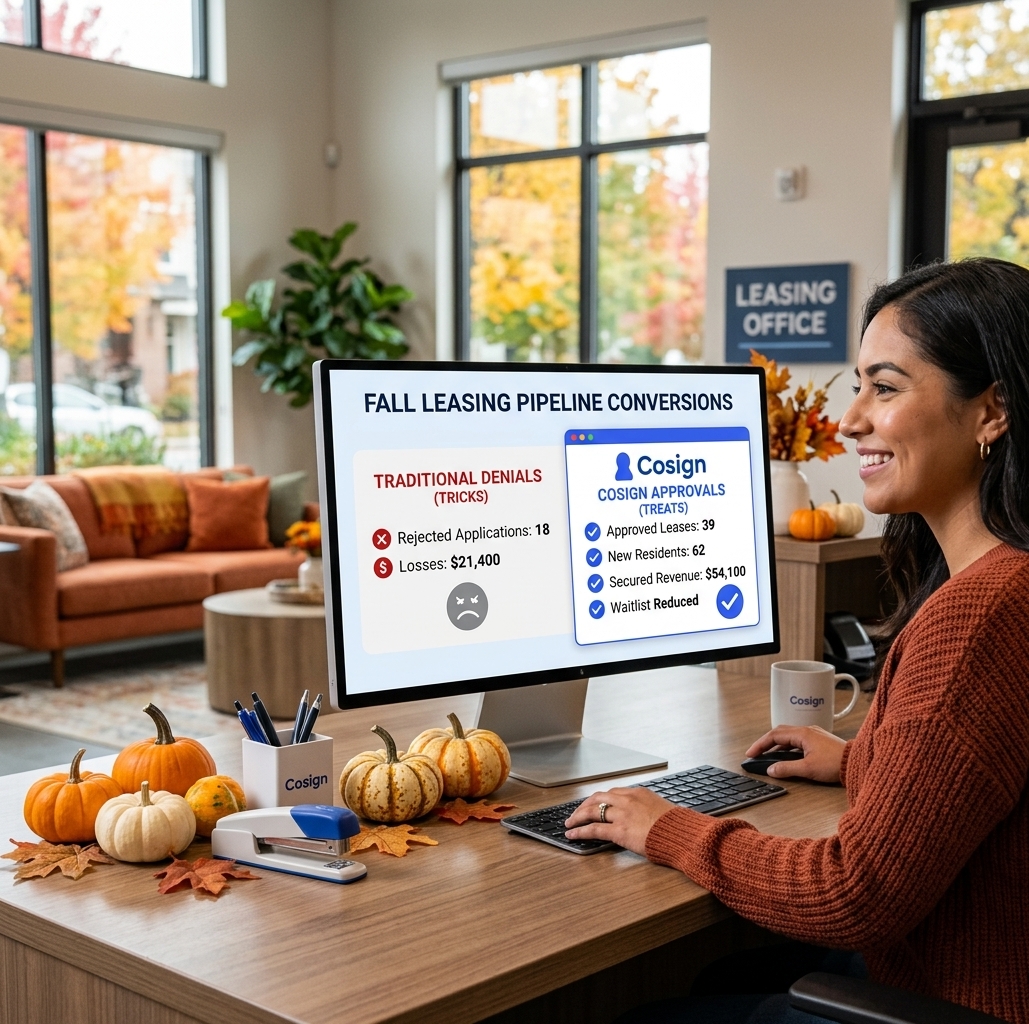
One of the most consistent operational challenges operators face is applicants who are close to but do not quite meet income qualification thresholds. Those denials create vacancies, generate adverse action paperwork, and leave revenue on the table. A rent guarantor solution can help operators qualify more applicants with confidence while maintaining the credit standards their portfolios require.
Cosign helps landlords approve renters that fall just outside typical requirements without risking compliance with legal requirements. Contact us to learn more.
For jurisdiction-specific compliance questions, consult licensed legal counsel familiar with the landlord-tenant laws in your market.
Sources referenced in this post include: law.cornell.edu, hud.gov, ftc.gov, epa.gov, localhousingsolutions.org, entrata.com, nlihc.org, legalclarity.org. Always verify current requirements with a licensed attorney in your jurisdiction.
.avif)
.avif)





Aumentemos tus tasas de ocupación


